
Septic Systems in Alaska: Why Good Care Is Key
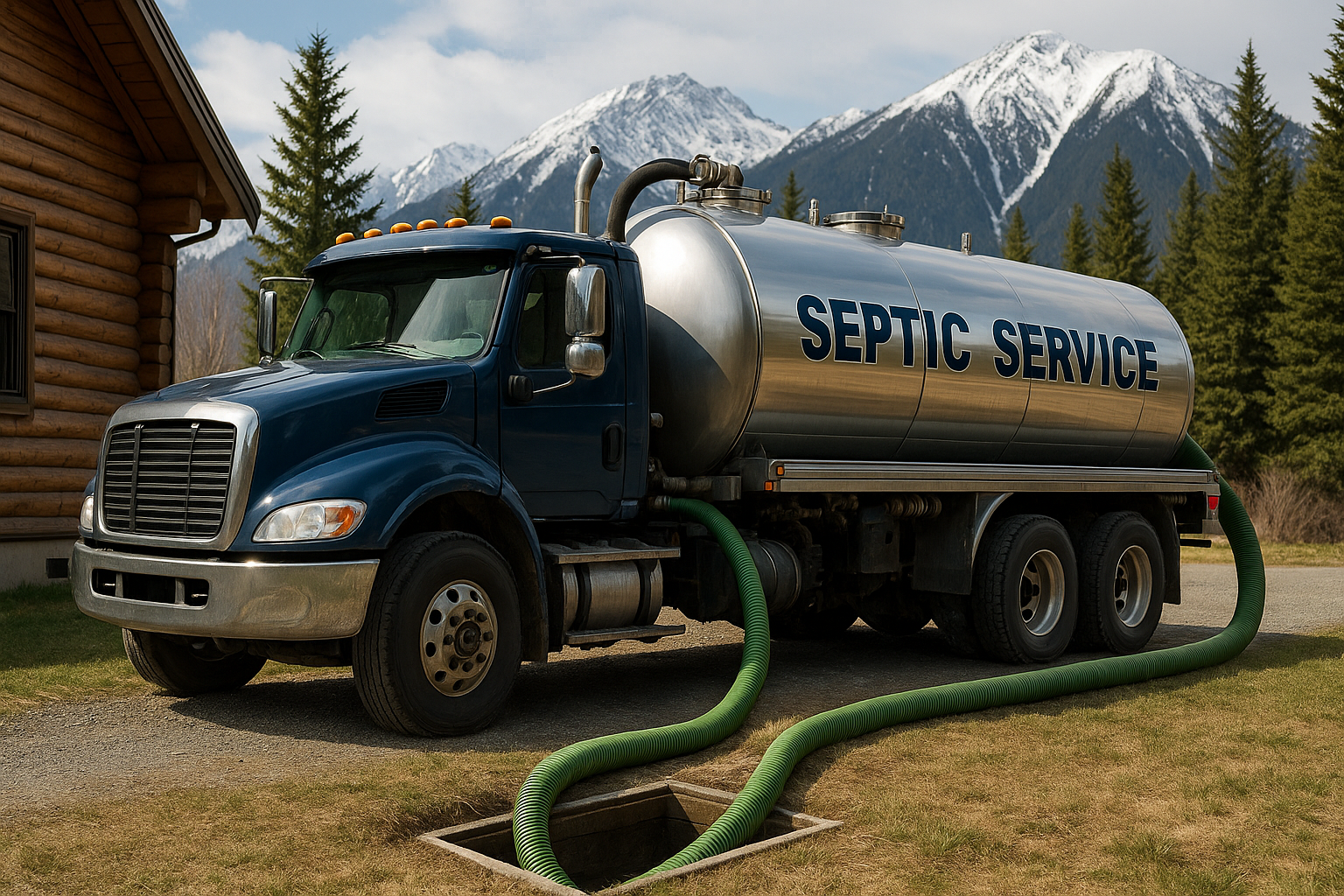
Taking care of a septic system in Alaska is very different. It has special problems. Alaska's tough weather and land mean you need special ways to handle waste water. Regular care, like pumping, is not just a good idea. It is often a must for the system to work. It also protects the land.
1. Frozen Ground and Permafrost Issues
Lots of Alaska has permafrost. This is ground that is always frozen. Or, the ground freezes very deep in winter. This makes normal septic drain fields not work in many areas. Drain fields are common in warmer places. Waste water can freeze before it is treated. Or, the frozen soil will not soak it up. Septic systems must be made just for these conditions. They often have warm tanks, heated pipes, or other special designs. Checking and pumping these systems often is very important. This makes sure they work right in tough weather.
2. Special Systems and How Often to Pump
These land problems mean many Alaskans use special septic systems. Holding tanks are often used when drain fields can't be. Normal systems get pumped every few years. But holding tanks need pumping much more. Sometimes they need it every month, or even more. It depends on how much water the home uses and the tank size. Other special systems are mound systems. Or, they are systems approved by the Alaska Department of Environmental Conservation (ADEC). You need to know your system type. This helps you know when to pump.
3. High Costs of Problems and Getting Service
Not taking care of your septic system in Alaska can cause big problems. Systems can freeze up. Waste can back up. Special parts can break. These repairs can cost a lot of money. Getting service is also hard. This adds to costs. Pumper trucks might have to travel far. In remote areas, tools might need to come by plane or boat. Frozen tanks might need steam or hot water to break up solids. This is done before pumping. Pumping often has a cost. But it is much less than emergency repairs. It is also less than a new system in Alaska's tough land.
4. ADEC Rules and Expert Help
The Alaska Department of Environmental Conservation (ADEC) makes rules for septic systems. They set rules for how to design, build, and care for them. These rules are key for "difficult sites." These sites may have permafrost, bad soils, or steep hills. Always use ADEC-certified workers for septic jobs in Alaska. They will know the local rules. They will also know the best ways for your site and system.
5. Spotting Warning Signs in Alaska's Cold
Even in the cold, you can see signs of a full or bad septic system. Smells might be hard to notice in very cold weather. But they can show up when it thaws or inside your home. Slow drains or backed-up pipes are clear signs. Some systems have drain fields, where possible. If you see wet spots or ground that thaws strangely in winter, that can mean a problem. It is very important to act fast. This can stop freeze-ups or worse damage.
Understanding Pumping Costs in Alaska
Septic pumping costs in Alaska are usually higher than in other states. They often range from $600 to $1200. Sometimes they are much more for a normal tank. Prices depend a lot on your location. For example, Anchorage costs may differ from a remote village. How easy it is to get to your tank also matters. The type of system and special services, like thawing, also affect price. Our calculator gives a very wide guess. Always ask qualified local Alaska workers for exact quotes.
What Makes Septic Costs High in Alaska?
The main reasons are: how easy it is to get to your home; if the tank or pipes are frozen and need thawing; and the type of system. Holding tanks need more pumping. So, they cost more per year. Also, long travel times for workers add to costs. Special tools for cold weather also cost more to run.
Pumping Schedules (Change a Lot)
- Holding Tanks: Pump monthly to every three months. Maybe more often. Depends on use.
- Normal Tanks (if you can have one): Pump every 3-5 years. But it depends on site and system.
- Special Systems: Follow maker and ADEC rules.
Alaska's conditions are unique. So, one schedule does not fit all. Ask your system designer or a local septic worker. They can give advice for your system and place.
FAQs for Alaska Septic Systems
How does very cold weather affect Alaska septic care?
Very cold weather can freeze septic tanks and pipes. This happens if they are not made right or kept warm. Pumping might need special heated tools. These tools thaw parts before service. Also, the long winters mean less time for care.
What is a rough cost to pump a 1000-gallon tank in Alaska?
A 1000-gallon tank in Alaska might cost $600 to $1200+ to pump. It can be much more in far-off areas. Or, if it needs thawing. Our calculator gives a general idea. But local quotes are key. Costs change a lot.
What are key ADEC septic system rules in Alaska?
The Alaska Department of Environmental Conservation (ADEC) has rules for septic systems. These rules aim to keep people and the land healthy. They cover system design for tough sites with frozen ground. They also cover certified workers. ADEC also lists approved special systems for Alaska.
Why is septic service very costly in remote Alaska areas?
Getting to remote Alaska areas costs a lot for septic service. Trucks and tools may need to travel by boat or plane. Few local workers and special job needs also make prices higher there.
What are signs my Alaska septic system needs care?
Look for slow drains, gurgling pipes, or backed-up waste. Bad smells are also a sign, mainly during thaws or indoors. If you have a leach field, look for wet or strangely thawed ground. Act fast to fix these signs in Alaska. This helps stop freezing.
Finding Good Septic Workers in Alaska
It is key to use septic workers who know Alaska. This is true if you are in Anchorage, Fairbanks, Juneau, or Wasilla. It is also true for remote parts of Alaska. Look for ADEC certification. Good search words are: Alaska certified septic pumpers, or septic service [your Alaska town].
Final Tips for Alaska Homeowners
Good septic care in Alaska is a big duty. Know your system. Keep a good care schedule. Use local skilled workers. This will protect your home, health, and Alaska's special land. Use our estimator as a first step. Then, talk to experts.
Tips to Manage Alaska Septic Costs
Costs are high. But these tips might help:
- Use less water. This means less pumping, good for holding tanks.
- Plan pumping for normal times. Not emergencies. If you are remote, ask if neighbors can share travel costs. This is if they need service too.
- Make sure your system is warm. Design it for cold. This stops costly freeze-up fixes.
- Check easy-to-reach parts yourself. Do this if safe and you know how. This can find small problems early.
- Follow all ADEC rules. Also follow maker guides for your system.
Search terms: affordable septic pumping Alaska (note: "affordable" means different things in AK), licensed septic company Alaska
Major Alaska Areas We Serve (Examples)
Our info helps homeowners all over Alaska. This includes places like:
- Anchorage
- Fairbanks (Fairbanks North Star Borough)
- Juneau (City and Borough)
- Matanuska-Susitna Borough (includes Wasilla & Palmer)
- Kenai Peninsula Borough
These are some main areas where people use septic systems. Search terms: anchorage septic pumping, fairbanks septic service cost
More Septic Information
Want to learn more? Read these articles:
- How Do Septic Tanks Work?
- DIY Septic Tank Build Guide (Warning: Not advised for Alaska without expert help)
- Compare Septic Tank Costs by State
