
Massachusetts Septic Care: Pumping for Healthy Waters and Homes Under Title 5
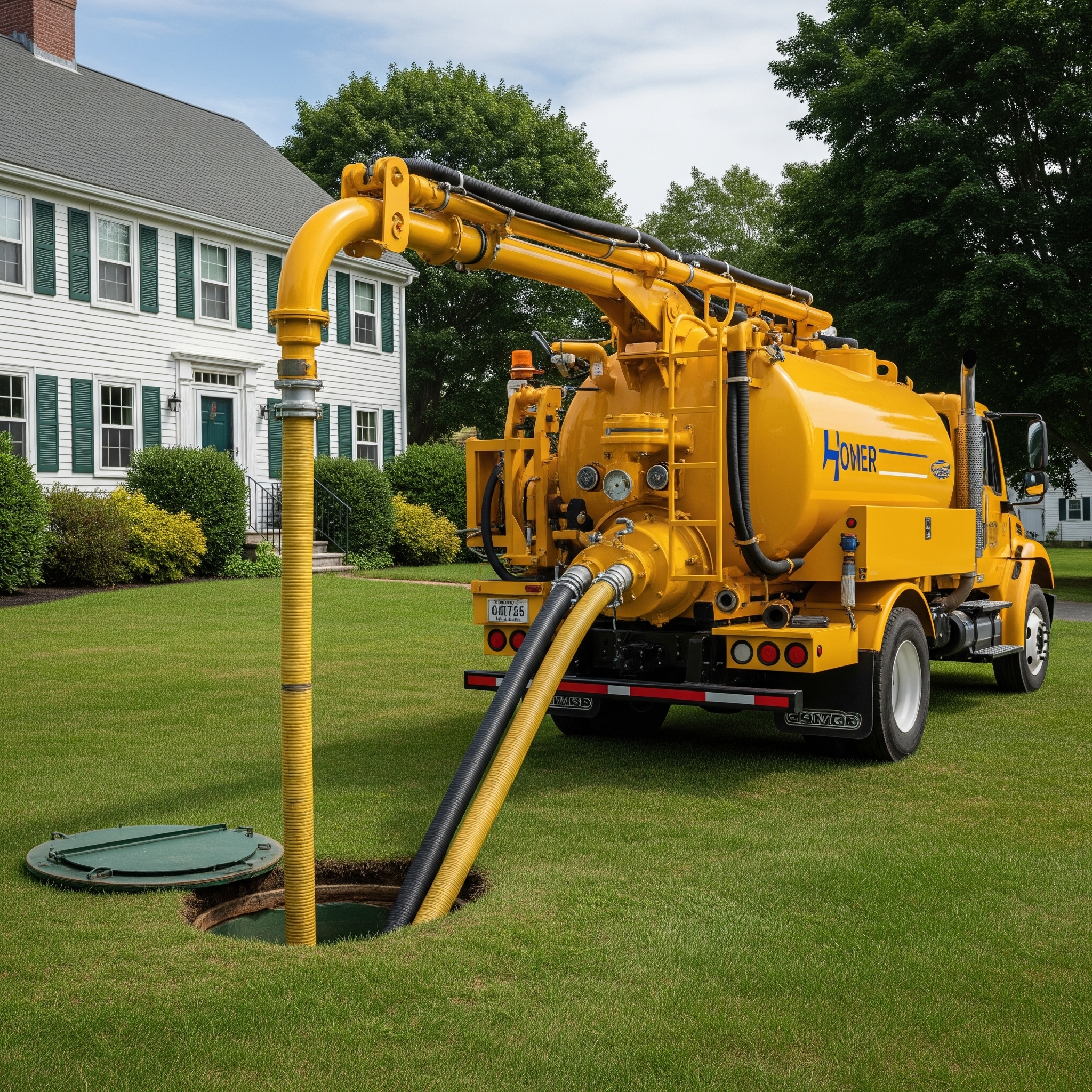
Many homes across Massachusetts use septic systems. This is true from the Berkshires to Cape Cod and the Islands. These systems treat household waste water right on site. Good care is key for them to work well for many years. Pumping the septic tank on time is a very important part of this care. It helps keep your home safe. It also protects Massachusetts' beautiful environment and water resources, following rules like Title 5.
1. Massachusetts Soils: Rocky Till, Coastal Sands, and More
The ground in Massachusetts was largely shaped by glaciers. This means many areas have rocky soils. Or, soils might have a mix of sand, gravel, and clay called glacial till. These soils can make it hard for water to drain. This can be a problem for standard septic system leach fields. Cape Cod and other coastal areas often have very sandy soils. These soils drain water very quickly. This can be a risk for groundwater and coastal waters if waste water is not treated well. Some inland spots might have denser clay soils. These drain slowly. Before putting in a septic system, a MassDEP-approved Soil Evaluator must test the soil. This helps make sure the system fits the soil. Regular pumping helps your system work better with these common Massachusetts grounds.
2. Weather: Cold Winters, Wet Springs, and Coastal Storms
Massachusetts weather also affects septic systems. Winters are cold and snowy. Frost can go deep into the ground. Septic systems must be built to stop freezing. This might mean pipes and tanks are buried deeper. Or, they might need special covers or insulation. Getting a tank pumped in winter can be hard. Snow and frozen ground can block access. In the spring, snow melts. Massachusetts can also get heavy spring rains. This can make the ground very wet. It can also make the underground water level rise. If the ground around your septic drain field is too wet, it cannot soak up treated waste water. This can cause backups. Coastal areas can also get hit by big storms like nor'easters. These can cause floods and damage systems near the shore.
3. Title 5 Rules: A Key Part of MA Septic Care
4. Pumping Your Tank Stops Big Repair Bills
It might seem like you save money if you wait to pump your tank. But this can lead to much bigger costs later. Solids build up in your septic tank. If you do not pump these solids out, they can flow into your leach field. This clogs the leach field. Then your whole septic system can fail. Fixing a failed leach field costs a lot of money. Pumping your tank every few years is much cheaper. It is a good way to avoid these expensive problems.
5. Special Care in Nitrogen Sensitive Areas
Some parts of Massachusetts are called Nitrogen Sensitive Areas (NSAs). Many of these are on Cape Cod and near other coastal waters. Nitrogen from septic systems can harm these waters. In NSAs, septic systems often need to be special advanced types. These are called Innovative/Alternative (I/A) systems. They do a better job of removing nitrogen. These systems also need regular care and pumping. New rules for Cape Cod mean many homeowners will need to upgrade their systems to protect the water.
6. Know the Signs: When Your Tank Needs Help
Your septic system often gives clues when it needs care. Do your sinks or toilets drain slower than they used to? Hearing gurgling sounds in your pipes? These can be early warnings. If waste water backs up into your home, call a septic pro right away. Bad smells near your tank or out in the yard over the leach field also mean trouble. You might also see wet spots there. Or the grass might be much greener in that area. These are all signs your tank may be full and needs pumping.
Calculating Pumping Costs in Massachusetts
In Massachusetts, pumping a septic tank usually costs between $325 and $625. The average often falls between $350 and $550. The exact price can change. It depends on how big your tank is and how full it is. If it is hard for workers to get to your tank, that can add to the cost. Where you live in Massachusetts also affects the price. Places like Cape Cod or Boston suburbs might cost more. Our calculator gives a general idea. For a real price, always ask a local Massachusetts septic company for a quote.
What Makes Septic Service Prices Change in MA?
A few main things set the price in Massachusetts. Tank size is one. Your exact location in the state matters. Service on Cape Cod or the Islands can cost more due to travel and local rules. If your tank lids are hard to find or need a lot of digging, that can make it cost more. A tank that is very full might also add to the price. If you need service fast for an emergency, or if it is winter with frozen ground, that will likely be more expensive. Title 5 inspection costs are separate from pumping but often done together.
How Often to Pump Your Massachusetts Tank?
- Homes with a garbage disposal: every 2-3 years.
- Homes without a garbage disposal: every 3-5 years.
- Seasonal homes (like summer camps): may go longer, based on use. Check solids levels.
These are general guides from MassDEP and local health boards. How much water your family uses makes a big difference. Using less water helps your system. Ask a septic expert for the best pumping plan for your Massachusetts home.
FAQs for Massachusetts Septic Systems
How do MA's rocky or sandy soils affect septic tanks?
Massachusetts has many soil types from glaciers. Rocky till can make drainage hard. Sandy soils on Cape Cod drain fast. This can risk pollutants reaching groundwater quickly if systems are not designed right. A MassDEP Soil Evaluator must test soil.
What is a Title 5 inspection in Massachusetts?
Title 5 is MA's septic system code. An inspection checks if a system meets code and works right. It is usually needed when a home is sold, or for big home changes. Failed systems usually must be fixed or replaced.
Why is pumping my septic tank regularly vital in MA?
Pumping your tank often stops big, costly problems. It also helps keep MA's waters clean. Solids fill the tank. If not pumped, they clog the leach field. This can break the system. Repairs cost a lot. Protecting drinking water and coastal areas is key in MA.
What are main MA rules for septic pumping under Title 5?
MassDEP's Title 5 suggests pumping every 2-5 years based on use (e.g., with or without a garbage disposal). Local Boards of Health enforce Title 5. Permits are needed for new systems or big repairs. Special rules apply in Nitrogen Sensitive Areas.
Do MA winters affect my septic system?
Yes. Massachusetts has cold, snowy winters. Frost can go deep. Septic systems must be built to avoid freezing. This might mean deeper pipes or covers. Pumping access can also be hard in winter due to snow or frozen ground.
Finding Good Septic Pros in Massachusetts
You can find skilled septic workers across Massachusetts. They serve Greater Boston, Worcester, and Springfield areas. They also work on Cape Cod, the Islands, and in Western MA. Ask if they are licensed and know Title 5 rules. Check what other customers say about their work. Good search words are Massachusetts septic pumping or Title 5 septic service near [your MA town].
A Final Word for Massachusetts Homes
Good septic care is very important in Massachusetts. Pumping your tank on time helps you avoid big repair bills. It also helps you meet Title 5 rules. And it helps keep Massachusetts' beautiful environment, from its lakes to its coast, healthy. Use our cost tool as a first step. Then, call a local Massachusetts septic expert for their advice.
Ways to Save on Septic Pumping in Massachusetts
Want to keep septic service costs down? Here are some ideas to try:
- Get price quotes from a few licensed septic companies in your part of Massachusetts.
- Ask if they give discounts for certain days or if they have routes planned in your area.
- Pump your tank on a regular plan. This helps you avoid sudden costly emergency calls and big repair jobs. This is also important for Title 5 compliance.
- Fix any water leaks in your home right away. This means less water goes into your tank.
- Be careful about what you put down your drains. Do not put in grease, oils, or harsh chemicals. These can harm your system.
Search terms: affordable septic tank pumping Massachusetts, licensed septic tank company MA, MassDEP Title 5 septic service
Massachusetts Areas We Often Cover (Examples)
Our info helps homeowners all over Massachusetts. This includes places like:
- Greater Boston Suburbs (Middlesex, Essex, Norfolk counties)
- Worcester Area (Worcester County)
- Springfield Area (Hampden County)
- Cape Cod & the Islands (Barnstable, Dukes, Nantucket counties)
- Western Massachusetts (Berkshire County)
These are some main areas where people use septic systems. Search terms: boston area septic pumping, cape cod septic service cost, western ma title 5
More Septic System Facts
Want to learn even more? Read these helpful articles:
- How Do Septic Tanks Work?
- DIY Septic Tank Build Guide (Note: Always check Massachusetts Title 5 and local Board of Health rules first! They are very strict.)
- Compare Septic Tank Costs by State
